The Challenge: Contamination Is Costing You
Cleanroom contamination is invisible — until it destroys a batch, cuts your yield, or shuts down a coating line. A single failed or counterfeit filter can fail an audit, delay delivery, and burn thousands in rework. When standard sizes don’t fit, offshore sourcing turns into weeks of waiting.
Our Solution: Certified Filters, Built for Your Cleanroom
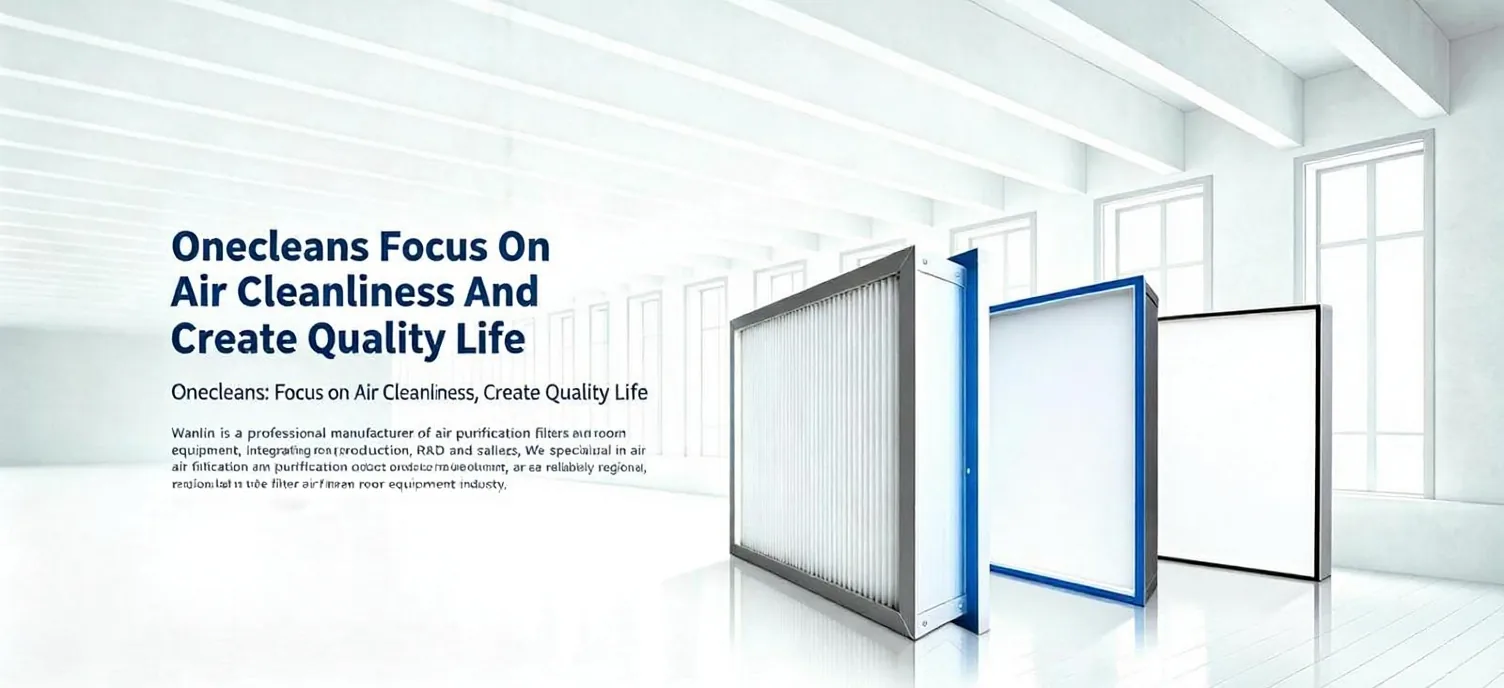
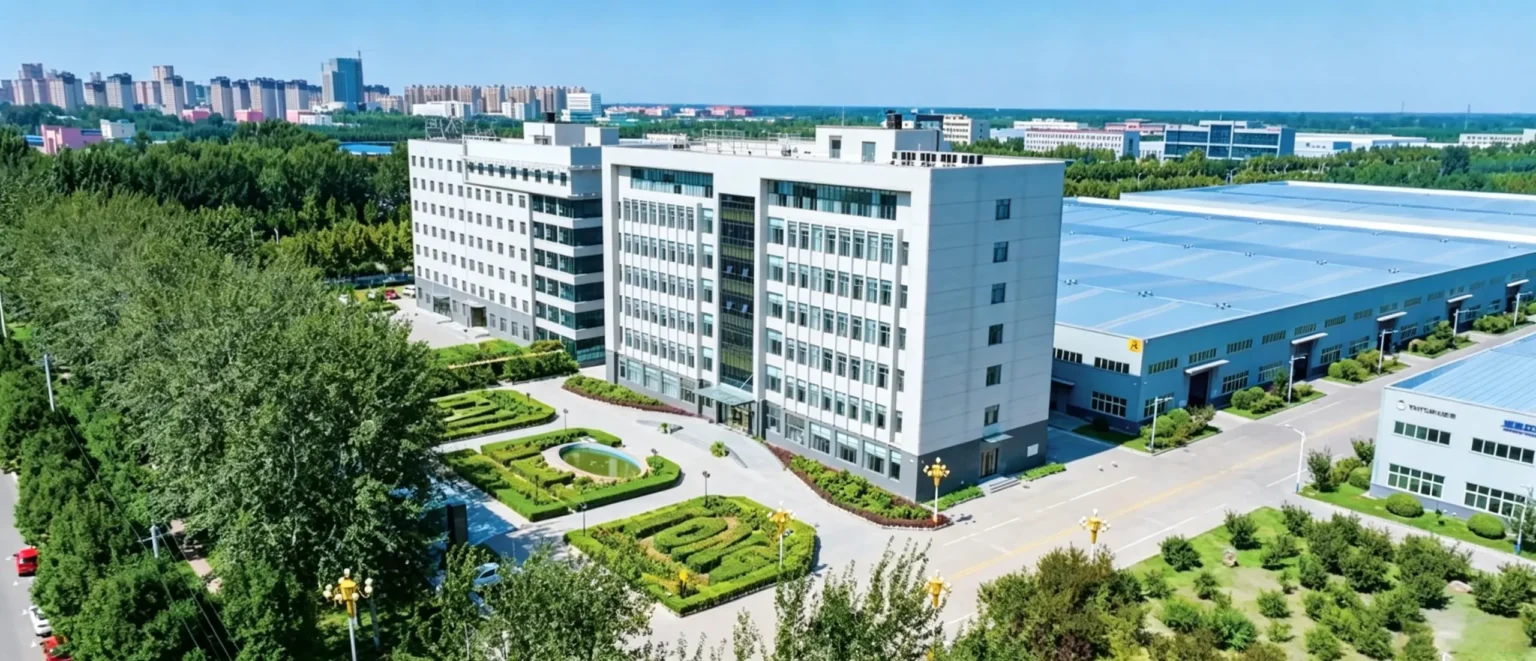
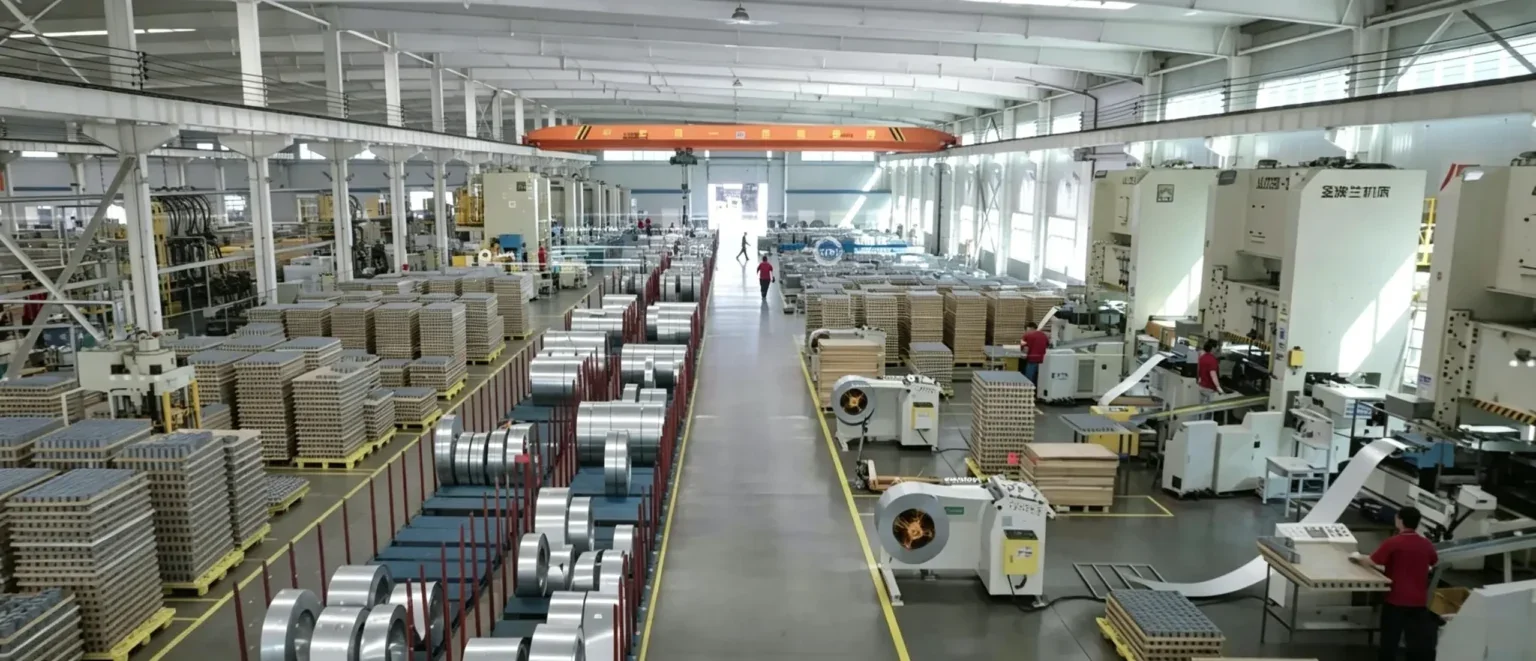
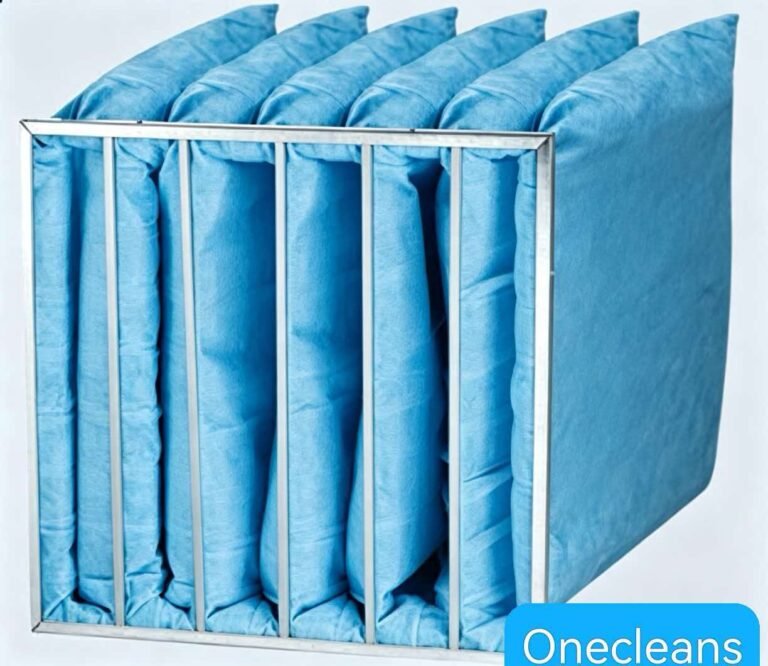
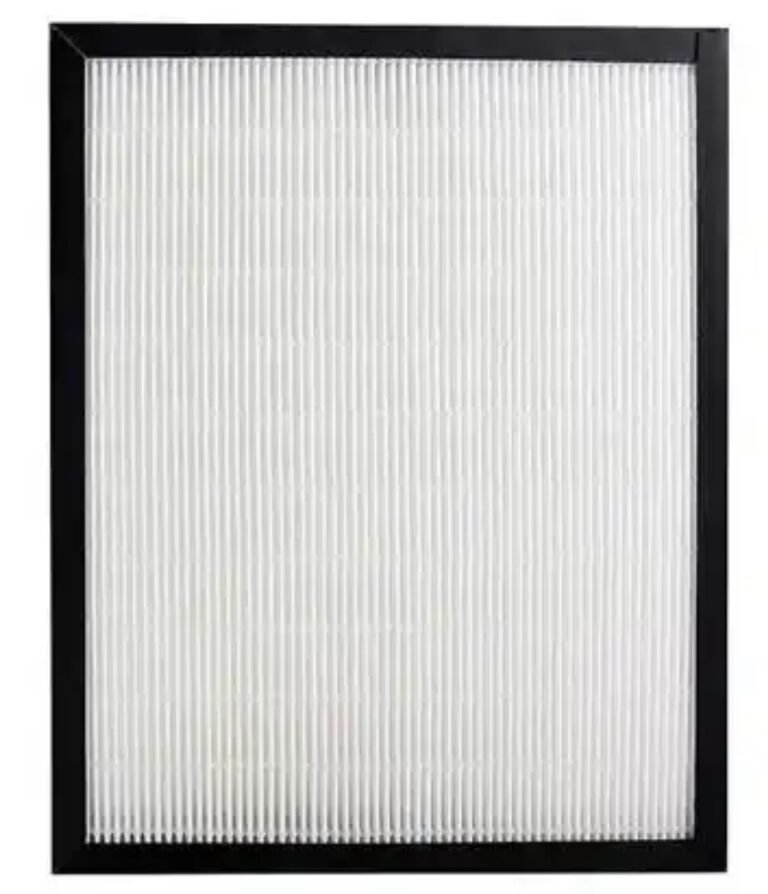
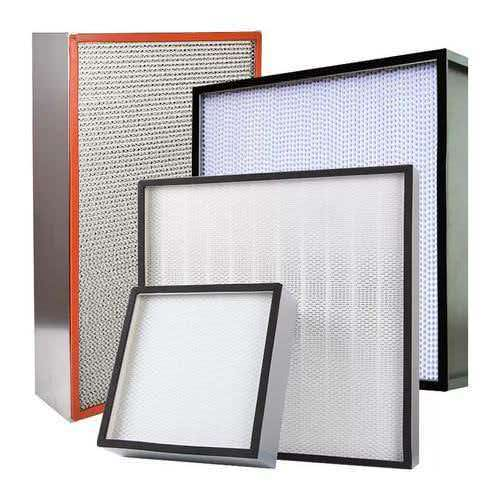
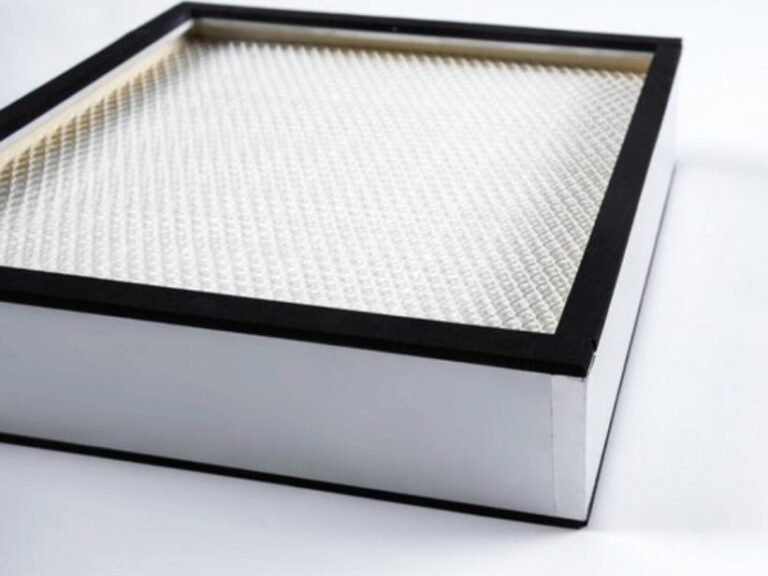
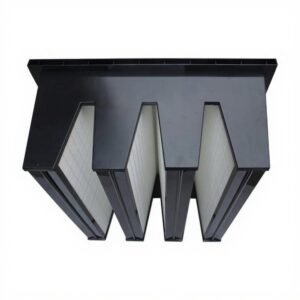
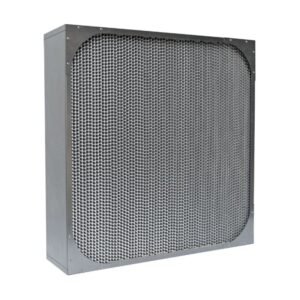
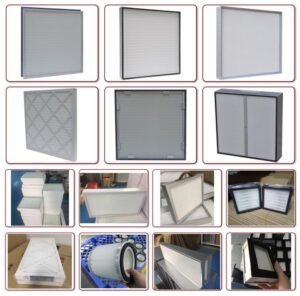
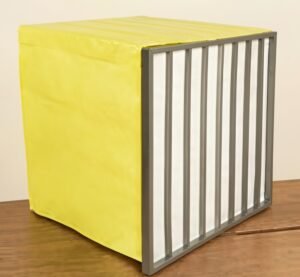
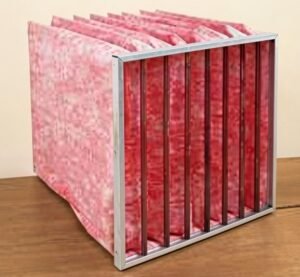
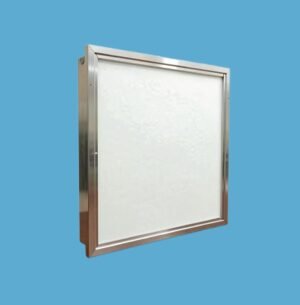
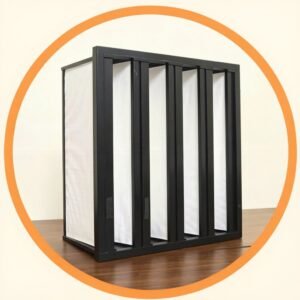
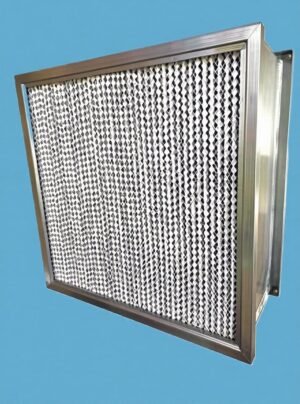
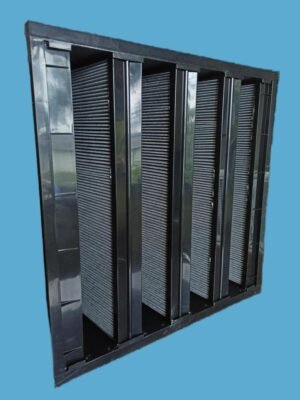
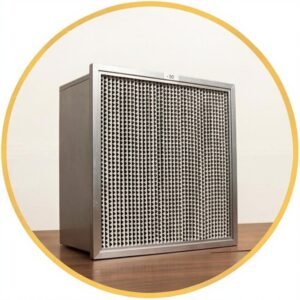
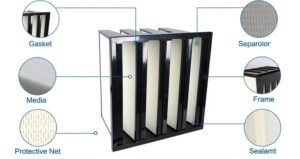
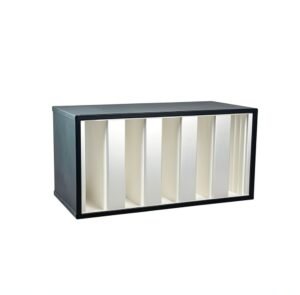
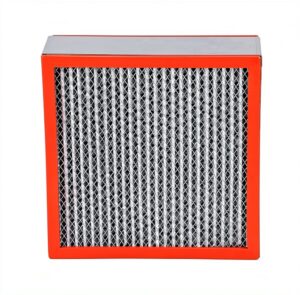
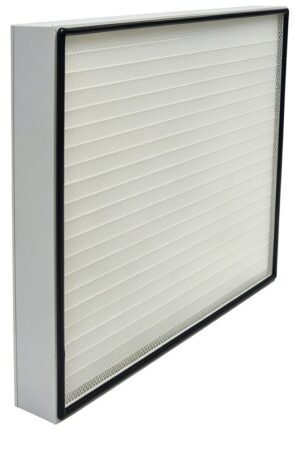
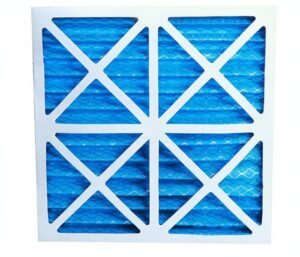
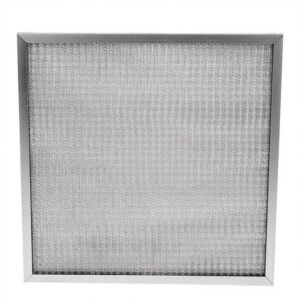
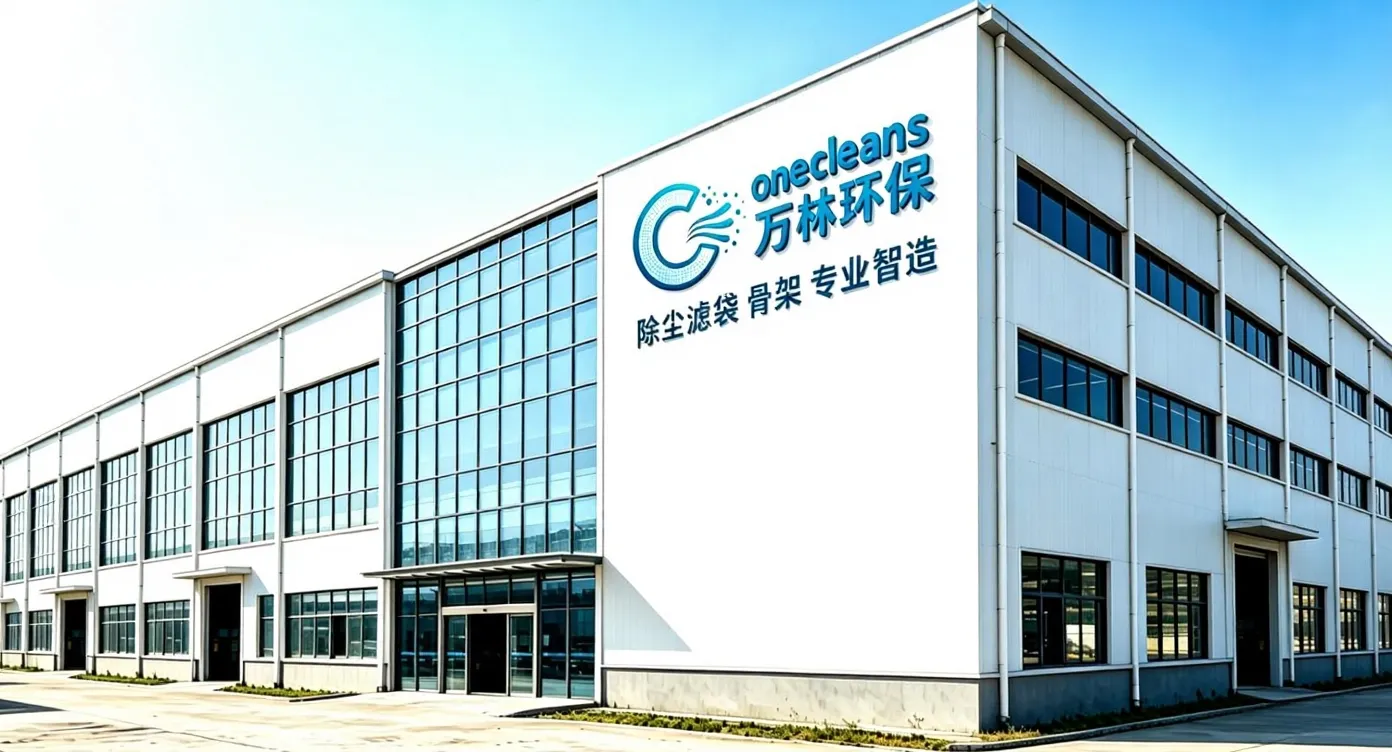
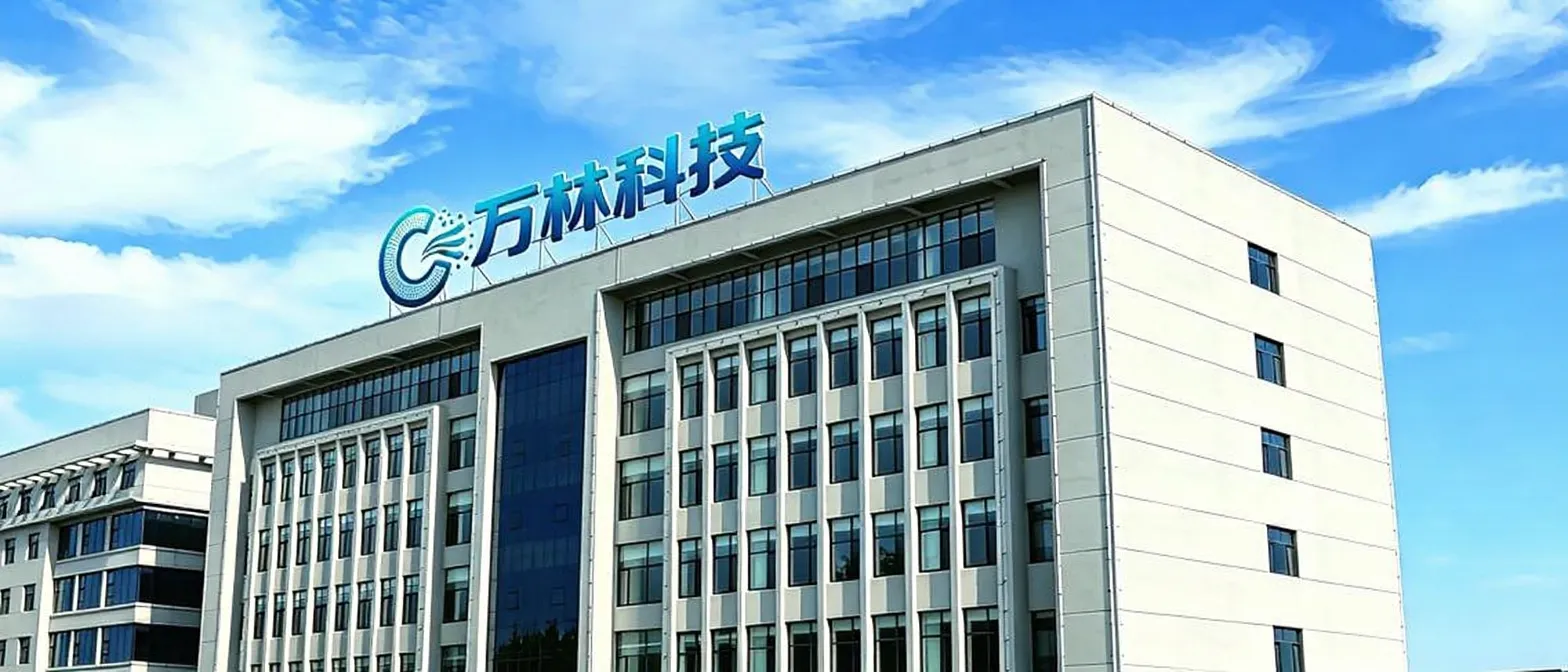
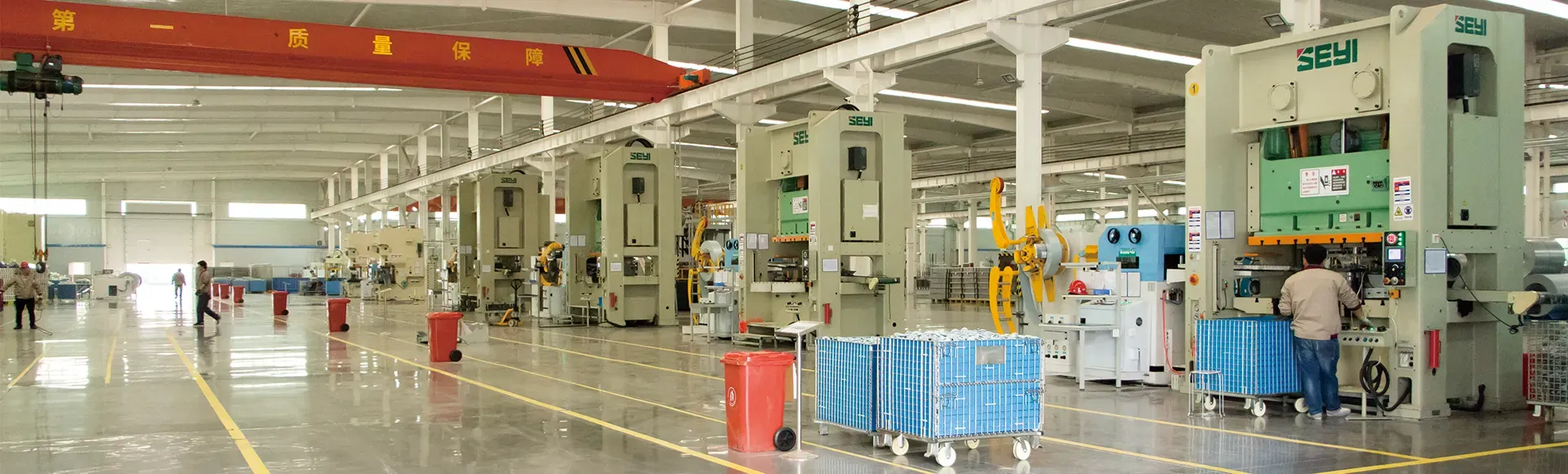
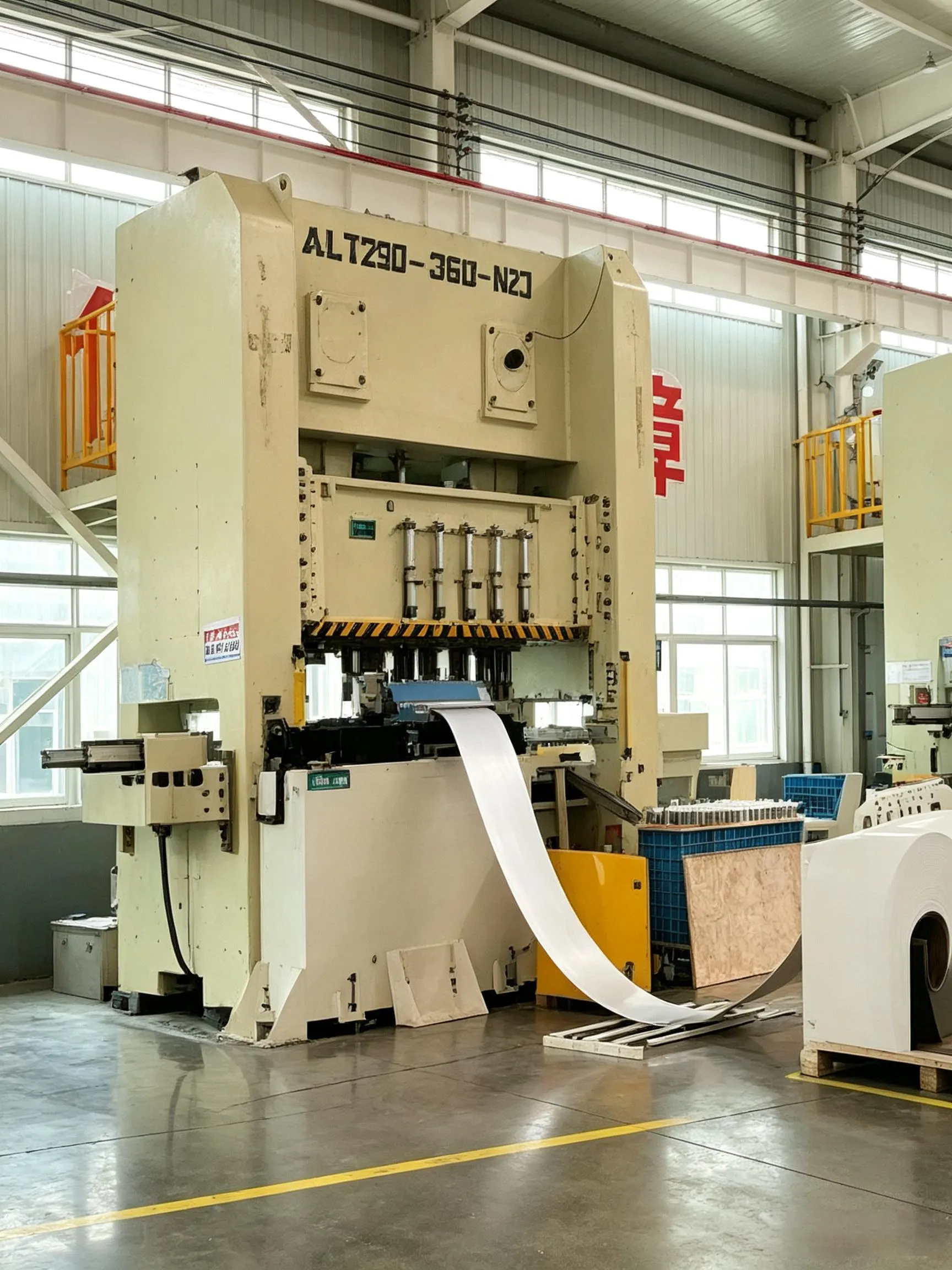
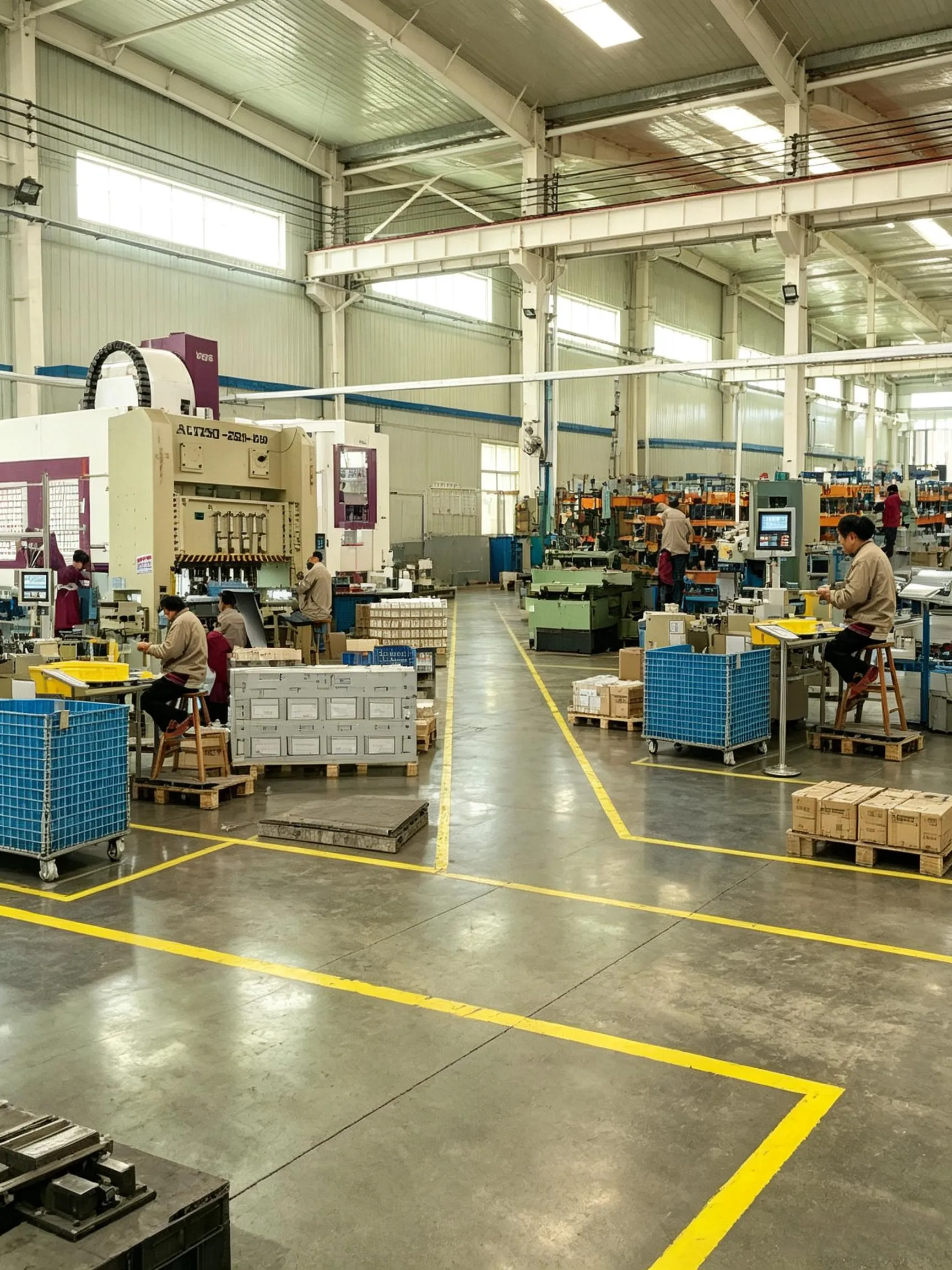
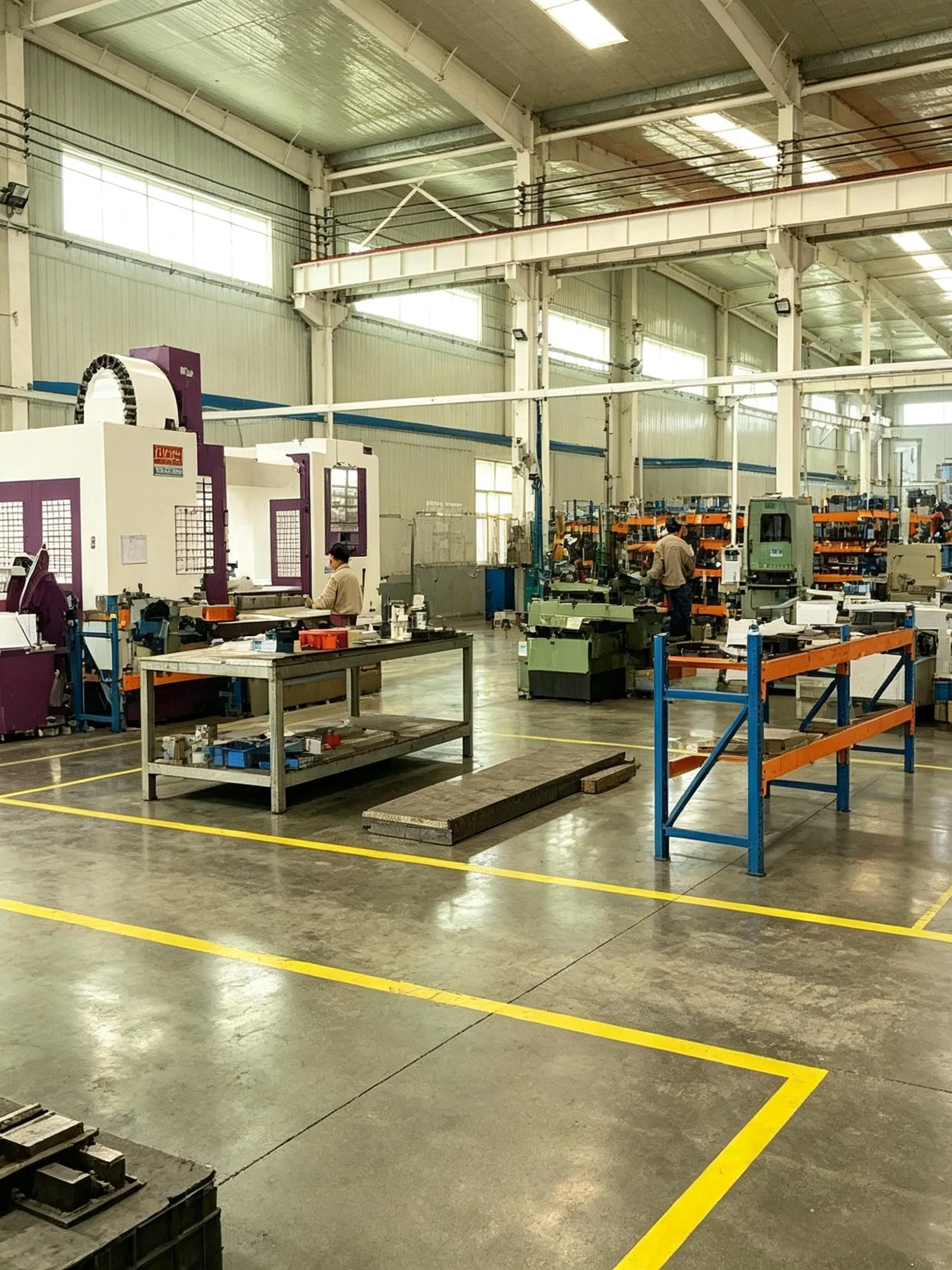
Onecleans is a cleanroom filter manufacturer with a CNAS-accredited laboratory and two smart production bases in Foshan and Shenzhou (185 mu, ≈123,000 m²), 12 automated lines and 60 million units of annual capacity. Every HEPA and ULPA filter is individually tested in our CNAS-accredited laboratory before shipment. We cover the full range — HEPA, ULPA, prefilters, high-temperature and gel-seal filters, plus FFU and cleanroom equipment — available in custom sizes with short lead times, developed with German R&D partners and backed by 80+ filtration patents.
Standards & Testing
HEPA and ULPA filters are tested to EN 1822-1:2019. General air filters are tested to ISO 16890-1, ISO 16890-2, ISO 16890-3 and ISO 16890-4 and to GB/T 14295; HEPA and ULPA test methods follow GB/T 6165. Every HEPA and ULPA filter is individually tested by MPPS single-point laser scan in our CNAS-accredited laboratory and shipped with an independent factory test report. Complete EN, ISO and GB test documentation is available for tenders and project admission.
Proven Where It Matters
Our filters protect pharmaceutical, semiconductor, coating and food plants in more than 100 countries, supported by ISO 9001, ISO 14001 and ISO 45001 management systems, with individual HEPA/ULPA test reports and per-batch reports for general filters. Request our datasheets and test reports, or talk to our engineers — we’ll help you specify the right filter the first time.